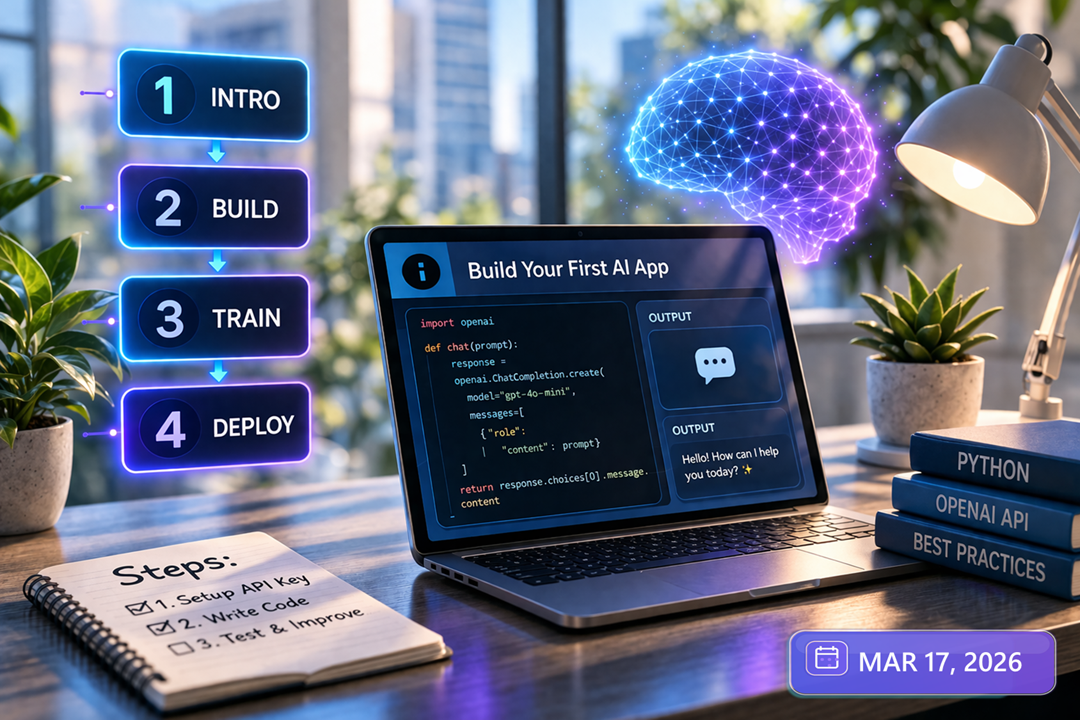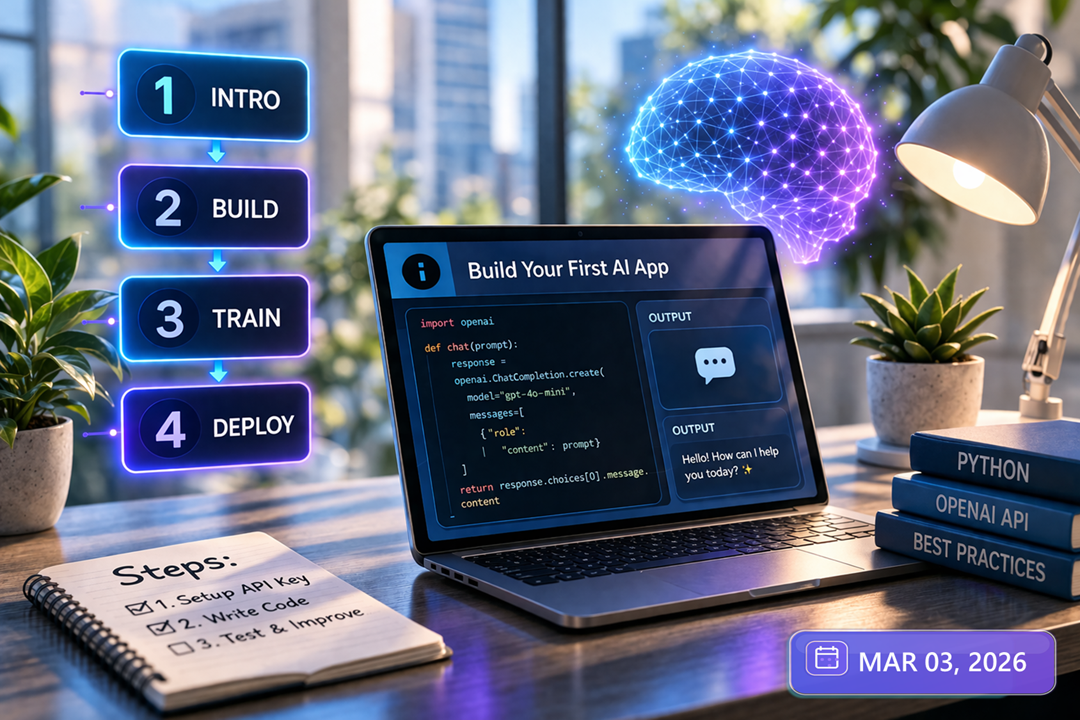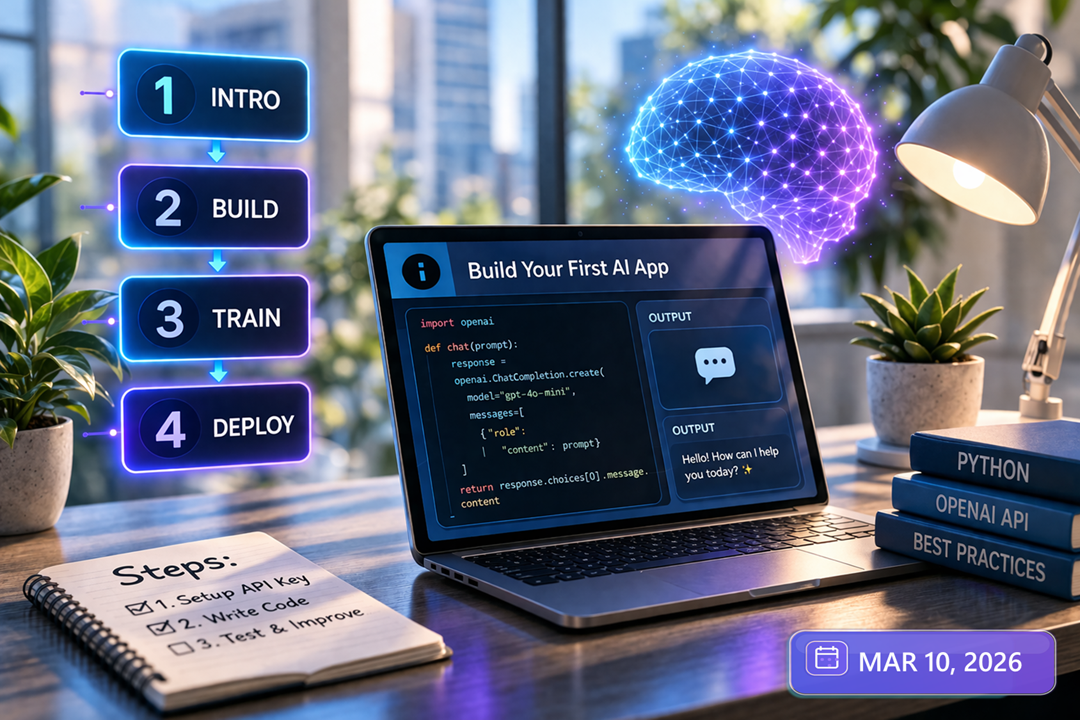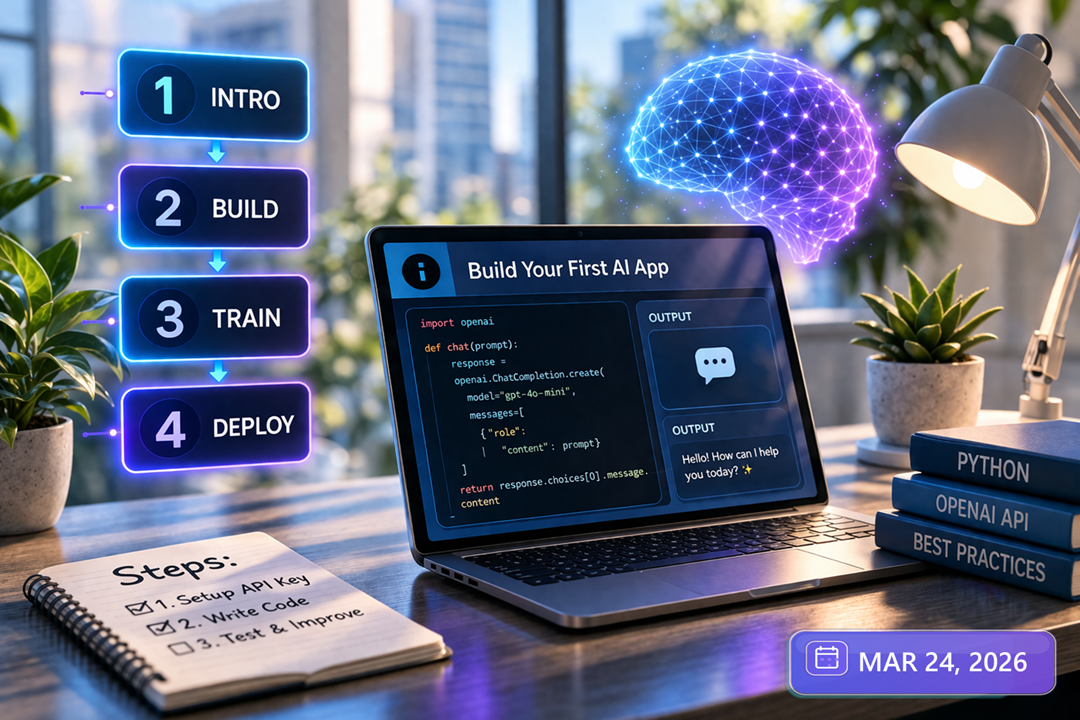
Building an app used to mean spending months learning code. In 2026, you can ship a working, revenue-generating app in weeks using AI. This guide walks you through building your first money-making app using vibe coding, no programming experience required.
What is Vibe Coding and Why It Works
Vibe coding is the practice of describing what you want to build in plain language, then letting AI tools (like Claude, Cursor, or visual builders) generate the code for you. Instead of writing syntax, you describe your vision, iterate with the AI, and ship. It's not magic, it's outsourcing the grunt work to a tool that can learn your intent.
The big shift: you're now a product designer, not a coder. Your job is clarity. The AI handles execution.
Step 1: Pick an App Idea With Real Demand
The best first app solves a specific problem you understand. Look for pain points in your own life or in communities you follow. Check Reddit, Twitter, and Product Hunt for recurring complaints. These are your market signals.
- Search Reddit and Twitter for "I wish there was an app that..."
- Look for tools people would pay $5-15/month to avoid manual work
- Start small, a tool that saves 30 minutes per week is worth building
Avoid broad ideas like "productivity app" or "social network." Pick specific: "A tool that auto-organizes Slack messages by priority" or "An app that tracks your weekly spending by category."
Step 2: Choose Your Vibe Coding Tool
You have three paths depending on your comfort level:
- Chat-Based AI (Claude, ChatGPT) — Write prompts describing your app. Best for complex logic. Steeper learning curve, but most powerful.
- Visual AI Builders (Lovable, Bolt, Replit Agent) — Describe your app and see it build itself. Fastest for beginners. Limited customization.
- Hybrid (Cursor + Base44) — Use Cursor to code with AI assist, then deploy on Base44. Best of both worlds.
For your first app, start with a visual builder. You'll ship faster and learn what works.
Step 3: Build in Public and Monetize Early
The old playbook was: build in secret, polish for months, then launch. Don't do that. Ship early, share your progress on Twitter and Product Hunt, and ask for feedback. Early users become your first paying customers.
Monetization is simpler than you think. Options that work for vibe-coded apps:
- Monthly subscription ($5-29) — Works for tools that save time or effort
- One-time purchase ($9-49) — Good for templates, toolkits, or small utilities
- Freemium — Free version with limits, paid for advanced features
- White-label for others — Build once, license to multiple businesses
Start with a landing page, get 10 early sign-ups, and charge them $1. Money from customers validates your idea way more than vanity metrics.
Step 4: Deploy and Iterate Like Crazy
Once you have users, the game changes. Stop polishing. Ship every iteration in 48 hours or less. Ask users what breaks. Fix it. Repeat.
This cadence teaches you more than months of solo building. Real users expose flaws you never imagined. They also tell you exactly what feature would make them upgrade.
Your Next Move
Pick one idea this week. Use a visual builder to ship something in 5 days. Share it with one community (Reddit, Twitter, or Product Hunt). Get feedback from 5 real people. That's it. You're now a builder.